Vitamin A and Night Vision: How It Helps You See in the Dark
Rhodopsin and the dark
When light hits rhodopsin, it breaks apart and sends a signal to the brain. Vitamin A rebuilds it. Without enough vitamin A, your eyes adapt slowly to darkness (NIH ODS).
Signs of low vitamin A
- Trouble seeing at dusk or in dim rooms
- Dry, gritty eyes
- Frequent infections
These symptoms have many causes; see an eye doctor (MedlinePlus).
Food sources
Liver, eggs, dairy and fish provide preformed vitamin A. Carrots, sweet potatoes and spinach provide beta-carotene, which the body converts.
The visual cycle in simple terms
Your retina contains rods for dim light and cones for colour and detail. Rods use rhodopsin, a protein bound to a vitamin A derivative called 11-cis-retinal. When a photon hits it, the retinal changes shape, triggering a nerve signal and 'bleaching' the pigment. Enzymes in the retina then recycle the vitamin A back to its active form. This recycling is the visual cycle. It needs a steady supply of vitamin A, delivered with help from zinc.
Preformed vitamin A vs provitamin A
- Preformed vitamin A (retinol, retinyl esters): found in liver, eggs, dairy and fortified foods, and in many supplements. Too much can be toxic.
- Provitamin A carotenoids (mainly beta-carotene): found in carrots, sweet potatoes and leafy greens. The body converts only what it needs, so food sources are not toxic.
The upper limit of 3,000 mcg a day applies to preformed vitamin A only (NIH ODS).
Night vision problems that aren't about vitamin A
In the US, poor night vision is far more often caused by cataracts, uncorrected nearsightedness, glare from dirty glasses or windshields, or normal aging than by deficiency. Some rare inherited retinal conditions also affect night vision. If dim-light vision gets noticeably worse, get an eye exam rather than simply adding more vitamin A (MedlinePlus).
Who may need more vitamin A
Higher-risk groups include people with conditions that impair fat absorption, such as cystic fibrosis, celiac disease or after weight-loss surgery, and those with very limited diets. A doctor can test levels and advise on safe supplementation. For most people, a balanced diet plus a modest amount in a multi-nutrient formula is enough. See night driving vision tips for practical help.
Vitamin A deficiency worldwide
While rare in the United States, vitamin A deficiency remains a major public health problem in parts of the world with limited access to varied diets. It is a leading cause of preventable childhood blindness globally. Early signs include night blindness and dryness of the eye's surface, which can progress to damage of the cornea if untreated. Public health programmes provide vitamin A supplements to young children in high-risk areas, which has greatly reduced blindness and child deaths. This global picture shows how essential vitamin A is to the eye, even though most people in developed countries get enough from food.
Balancing vitamin A in supplements
Many multivitamins and eye formulas contain vitamin A, sometimes as preformed retinol, sometimes as beta-carotene, and sometimes as a mix. When you take more than one product, the preformed vitamin A can add up. For most adults, staying below 3,000 mcg RAE a day of preformed vitamin A from all supplements and fortified foods is recommended. Pregnant women need particular care because of the risk of birth defects. People who smoke should avoid high-dose beta-carotene supplements. Reading labels and listing your supplements for your pharmacist is the simplest way to stay within safe limits.
Practical steps for better night vision
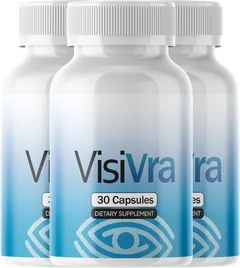
If you want to see better after dark, start with an eye exam to check your prescription and look for cataracts or other conditions. Keep your glasses and windshield clean, use anti-reflective lenses, and give your eyes a few minutes to adapt when moving from bright light into darkness. Eat foods rich in vitamin A and beta-carotene, such as eggs, dairy, carrots, sweet potatoes and leafy greens, along with lutein-rich foods that support glare recovery. If you choose a supplement, a balanced formula such as Visivra supplies vitamin A alongside other eye nutrients. Our night driving tips offer more practical advice.
Safety
Too much preformed vitamin A can harm the liver and cause birth defects. Pregnant women should check with their doctor. Visivra includes vitamin A; count it if you take a multivitamin. More tips in night driving vision tips.
Frequently Asked Questions
Do carrots really help you see in the dark?
Only if you are deficient in vitamin A.
How fast does vitamin A help night vision?
In deficiency, improvement can come within weeks of correcting intake.
Is beta-carotene safe for smokers?
High-dose beta-carotene supplements raised lung cancer risk in smokers; food sources are fine.
Is vitamin A good for dry eyes?
It supports the eye's surface; deficiency causes dryness, but extra vitamin A won't fix most dry eye.
Can vitamin A supplements harm unborn babies?
High doses of preformed vitamin A can cause birth defects; pregnant women should consult their doctor.
Sources
- NIH Office of Dietary Supplements: Vitamin A Fact Sheet
- MedlinePlus: Vitamin A
- National Eye Institute: Age-Related Eye Disease Studies (AREDS/AREDS2)
This article is for general education and is not medical advice. Back to the Visivra official guide or see current Visivra pricing.