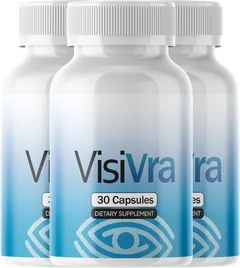
Visivra Ingredients: All 6 Eye Nutrients Explained
Lutein: the macula's main pigment
Lutein is a yellow carotenoid found in kale, spinach and egg yolks. It concentrates in the macula, where it filters blue light and works as an antioxidant (MedlinePlus). In the NIH AREDS2 study, 10 mg a day was used together with zeaxanthin. Learn more in our lutein dosage guide.
Zeaxanthin: the centre-of-vision partner
Zeaxanthin is concentrated at the fovea, the very centre of the macula responsible for your sharpest vision. AREDS2 paired 2 mg of zeaxanthin with lutein (NEI). Good food sources include orange peppers, corn and goji berries; see zeaxanthin food sources.
Astaxanthin: the screen-time antioxidant
Astaxanthin is a red carotenoid made by microalgae; it is what makes salmon pink. Several small clinical trials have examined astaxanthin for eye fatigue and accommodation (focusing) after visual display work, generally at 6 to 12 mg a day (PubMed). Read more in astaxanthin for eye strain.
Bilberry extract: anthocyanin support
Bilberry is a dark European berry rich in anthocyanins. It has a long traditional use for night vision, but the NCCIH notes that controlled studies have not confirmed a clear benefit. It is included for antioxidant support. People on blood thinners should check with a doctor. Details: bilberry for night vision.
Zinc: the retina's mineral
The retina holds high levels of zinc, which helps move vitamin A from the liver to the eye and supports enzyme activity (NIH ODS). The adult upper limit is 40 mg a day from all sources, so count any multivitamin you take. See zinc for eye health.
How the six ingredients work together
The formula is designed so each ingredient covers a different part of eye support rather than all doing the same job.
- Filter layer: lutein and zeaxanthin build macular pigment that absorbs blue light.
- Antioxidant layer: astaxanthin and bilberry anthocyanins help neutralise free radicals.
- Photoreceptor support: vitamin A rebuilds rhodopsin and zinc helps deliver vitamin A to the retina.
This layered approach matters because the eye faces several stresses at once: light exposure, oxygen-rich tissue that is prone to oxidation, and constant demand for visual pigments. A single-ingredient product covers only one of these layers. Read carotenoids explained for the chemistry behind the colourful compounds in this list.
What is not in Visivra
It is just as useful to know what a formula leaves out. Visivra's listed ingredients do not include beta-carotene, which AREDS2 removed because of lung cancer risk in smokers (NEI). It also does not list high-dose vitamin C, vitamin E or copper, which are part of the AREDS2 formula for people with intermediate AMD.
That makes Visivra a general eye-nutrition formula, not a medical AREDS2 product. If your eye doctor has prescribed an AREDS2 regimen, read Visivra vs AREDS2 formulas before combining anything.
Reading the Supplement Facts label
When your bottle arrives, check three things on the label:
- Serving size. Usually one capsule; follow what the label says.
- Amounts per serving. Compare lutein with the 10 mg research standard and zinc with the 40 mg daily upper limit from all sources.
- Other ingredients. Capsule shell, fillers and any allergens.
The NIH Office of Dietary Supplements has a helpful consumer guide to reading labels. Keep a photo of the panel on your phone so you can show it to your doctor or pharmacist.
Why ingredient synergy matters
Nutrition scientists increasingly look at how nutrients work together rather than in isolation. Carotenoids are a good example. Lutein and zeaxanthin sit in the macula's cell membranes, where they absorb light and quench reactive oxygen species. Astaxanthin, which has a slightly different molecular shape, can span the full width of a cell membrane, so it may protect a different part of the same structure. Anthocyanins from bilberry are water-soluble, which means they work in the watery parts of cells and blood rather than the fatty parts. Zinc and vitamin A belong to a separate pathway entirely: the visual cycle that regenerates light-sensing pigments in the rods. A formula that covers fat-soluble antioxidants, water-soluble antioxidants and the visual cycle is designed to support the eye from several angles at once. This does not prove the combination works better than its parts, but it explains the reasoning. See does Visivra work for an honest look at the evidence.
Vitamin A: for seeing in dim light
Vitamin A is needed to make rhodopsin, the pigment that lets rods detect low light, and to keep the cornea healthy (NIH ODS). Too much preformed vitamin A can be harmful, especially in pregnancy. More in vitamin A and night vision.
Frequently Asked Questions
Does Visivra contain beta-carotene?
The six listed ingredients do not include beta-carotene. Check your bottle label to confirm the full Supplement Facts.
Are Visivra ingredients natural?
Lutein, zeaxanthin, astaxanthin and bilberry are plant- or algae-derived. Zinc and vitamin A are essential nutrients.
Can I take Visivra with a multivitamin?
Often yes, but add up the zinc and vitamin A from both products and ask your doctor or pharmacist if unsure.
Is Visivra vegan?
It depends on the capsule material, which is listed on the label. Lutein and astaxanthin are typically plant- or algae-derived.
Does Visivra contain gluten or soy?
Check the 'other ingredients' and allergen statement on your bottle, as fillers can vary by batch.
Sources
- MedlinePlus: Lutein
- National Eye Institute: Age-Related Eye Disease Studies (AREDS/AREDS2)
- PubMed: Astaxanthin and eye fatigue research
- NCCIH: Bilberry
- NIH Office of Dietary Supplements: Zinc Fact Sheet
- NIH Office of Dietary Supplements: Vitamin A Fact Sheet
This article is for general education and is not medical advice. Back to the Visivra official guide or see current Visivra pricing.