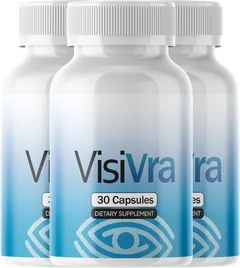
Visivra Side Effects: Safety, Interactions and Tips
Most common side effects
- Mild stomach upset or nausea, usually when taken on an empty stomach
- Harmless yellowing of the skin (carotenodermia) at very high carotenoid intakes
- A metallic taste from zinc in sensitive people
Taking your capsule with a meal solves most of these. See how to take Visivra.
Ingredient-by-ingredient safety
Lutein and zeaxanthin have a strong safety record in studies lasting years (MedlinePlus).
Zinc: long-term intake above 40 mg/day can lower copper levels (NIH ODS).
Vitamin A: excess preformed vitamin A can harm the liver and is a concern in pregnancy (NIH ODS).
Bilberry may add to the effect of anticoagulant drugs (NCCIH).
Possible interactions
Talk to your doctor or pharmacist if you take warfarin or other blood thinners, diabetes medication, retinoid acne drugs (isotretinoin), or certain antibiotics that bind minerals. Our guide on eye supplements and medications explains these in plain language.
Who should avoid Visivra
Children, pregnant or nursing women, and people with a scheduled surgery should not start any supplement without medical advice. Anyone with sudden vision changes needs an eye exam, not a supplement. See blurry vision causes.
What to do if you notice a side effect
Most reactions to eye supplements are mild and short-lived. If you notice one:
- Take your capsule with a full meal for a few days.
- If symptoms continue, pause the supplement for a week.
- Restart once symptoms have gone. If they return, stop for good.
- Seek medical care for rash, swelling, breathing difficulty or severe stomach pain.
Serious reactions can be reported to the FDA's MedWatch program. Keep the bottle so you can share the lot number and label.
Long-term use and nutrient totals
Lutein and zeaxanthin have been taken daily for five years in the AREDS2 trial without new safety concerns. The main long-term issue is adding up nutrients across products. Zinc above 40 mg a day for months can cause copper deficiency, which may lead to anaemia and nerve problems (NIH ODS). Preformed vitamin A above 3,000 mcg a day may affect bone and liver health (NIH ODS).
If you take a multivitamin plus Visivra, total intake is usually well within safe limits. If you also take a separate zinc or AREDS product, ask a pharmacist to check the totals.
Special groups
- Older adults: generally fine, but review medications. See Visivra for seniors.
- People with diabetes: bilberry may slightly affect blood sugar; monitor closely.
- People with liver disease: discuss vitamin A intake with your doctor.
- Before surgery: many surgeons ask you to stop herbal supplements one to two weeks beforehand.
Understanding carotenodermia
One of the more surprising effects of very high carotenoid intake is carotenodermia, a harmless yellow-orange tint to the skin, most visible on the palms and soles. It is more often caused by eating large amounts of carrots, sweet potatoes or squash than by a single daily eye supplement, but it can occur when several carotenoid sources are combined. It is not jaundice: the whites of the eyes stay white, and it fades gradually after intake is reduced. If you notice yellowing of the whites of your eyes, that is a different situation and needs prompt medical assessment, because it can signal a liver problem. For most people taking one capsule a day alongside a normal diet, carotenodermia is unlikely. It is mentioned here so that you know what it is and do not worry unnecessarily if you also eat a lot of orange vegetables.
Questions to ask before starting
Before adding any supplement, a two-minute self-check prevents most problems. Ask yourself: Am I pregnant, planning a pregnancy or breastfeeding? Do I take blood thinners, diabetes medication, retinoid acne treatment or long-term antibiotics? Do I already take a multivitamin, zinc tablet or AREDS2 product? Do I have liver or kidney disease? Do I have surgery planned in the next few weeks? If the answer to any of these is yes, speak with your doctor or pharmacist before you start. If all the answers are no, Visivra's ingredients are generally well tolerated at standard doses. The NIH Office of Dietary Supplements offers a free consumer guide that covers these questions in more detail.
Reducing risk
Follow the label dose, do not double up, and keep a list of all supplements you take. The NCCIH guide to using supplements wisely is a good checklist.
Frequently Asked Questions
Does Visivra cause headaches?
Headaches are not a typical reported effect of its ingredients. Stop and talk to a doctor if new headaches appear.
Can I take Visivra long term?
Lutein and zeaxanthin have been studied for years. Have your doctor review long-term zinc and vitamin A intake.
Is Visivra habit forming?
No. It contains no stimulants or habit-forming ingredients.
Can Visivra change urine or stool colour?
Carotenoids occasionally tint stool slightly. This is harmless.
Can I take Visivra if I have allergies?
Check the 'other ingredients' list for capsule materials and allergens before taking it.
Sources
- MedlinePlus: Lutein
- NIH Office of Dietary Supplements: Zinc Fact Sheet
- NIH Office of Dietary Supplements: Vitamin A Fact Sheet
- NCCIH: Bilberry
- NCCIH: Using Dietary Supplements Wisely
This article is for general education and is not medical advice. Back to the Visivra official guide or see current Visivra pricing.