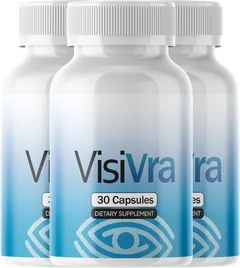
How to Take Visivra: Dosage, Timing and Best Results
Recommended dosage
The standard serving is one capsule daily. Always follow the directions on your bottle. Taking more does not speed up results and raises your intake of zinc and vitamin A beyond what you need.
Why food matters
Lutein, zeaxanthin and astaxanthin are fat-soluble carotenoids. Research summarised by MedlinePlus notes that they are absorbed better with dietary fat. A capsule with breakfast eggs or a lunch salad dressed with olive oil works well. More ideas in foods for eye health.
Morning or evening?
Either works. Most people find breakfast or lunch easiest to remember. Read the best time to take eye vitamins for a deeper look.
Make it a habit
- Keep the bottle next to your coffee maker
- Set a phone reminder for the first two weeks
- Track eye comfort weekly on a 1 to 10 scale
A sample weekly routine
- Daily: one capsule with breakfast eggs, yogurt or avocado toast.
- Every 20 minutes at work: a 20-20-20 break.
- Three times a week: a serving of leafy greens or orange peppers.
- Twice a week: oily fish such as salmon or sardines.
- Every evening: screens on night mode, dim lights before bed.
This routine combines the supplement with the habits the National Eye Institute recommends, so each part supports the others.
Combining Visivra with other supplements
Usually fine: fish oil, vitamin D, magnesium, probiotics.
Check totals: multivitamins (zinc and vitamin A), separate zinc tablets, AREDS2 formulas.
Ask your doctor: if you take blood thinners, diabetes medication or retinoid acne treatments.
Our guide to eye supplements and medications explains these interactions. When in doubt, bring both bottles to your pharmacist.
Tracking your progress
Note your starting point before day one. How do your eyes feel after a full workday? How is night driving? How is reading small print? Re-rate these every two weeks. Most people who notice benefits do so between weeks 6 and 12, in line with how long eye supplements take to work.
Building the habit that lasts
Most people who stop taking a supplement do so because they forget, not because they decide it is not working. Habit research suggests linking a new behaviour to an existing one, sometimes called habit stacking. If you always make coffee in the morning, keep your Visivra bottle beside the coffee maker and take a capsule with your breakfast. If you eat lunch at your desk, keep a bottle in your drawer. A weekly pill organiser lets you see at a glance whether you have taken today's capsule. Phone reminders help in the first few weeks, after which the habit usually becomes automatic. Consistency is especially important for carotenoids because they build up gradually. Missing several days a week slows the increase in macular pigment that research measures over months.
Storage and handling
Carotenoids are sensitive to heat, light and moisture, so storage affects quality. Keep your bottle tightly closed in a cool, dry place such as a kitchen cupboard away from the stove. Avoid the bathroom, where steam can get in, and never leave bottles in a hot car or on a sunny windowsill. Keep any desiccant packet that comes inside the bottle. Check the expiry date on the label and use older bottles first if you bought a bundle. Keep supplements out of reach of children, because some ingredients, such as vitamin A and zinc, can be harmful in large amounts to small bodies. If capsules look discoloured, sticky or smell unusual, do not use them.
What to tell your eye doctor
At your next eye exam, mention that you are taking Visivra and bring the label or a photo. Your eye doctor can confirm whether the ingredients suit your eye health, especially if you have early signs of macular changes, dry eye or cataracts. If you have been diagnosed with intermediate AMD, your doctor may recommend an AREDS2 formula instead. Tell them how long you have been taking it and whether you have noticed any changes. This information helps your doctor give personalised advice and keeps your records complete. Supplements are a complement to professional care, not a substitute, and regular dilated exams remain the best way to protect your sight. The National Eye Institute explains what happens during a dilated exam.
What to avoid
Do not combine Visivra with another high-dose zinc product unless your doctor agrees. Store it in a cool, dry place away from sunlight, and keep it out of reach of children.
Frequently Asked Questions
Can I take Visivra on an empty stomach?
You can, but absorption is better and stomach upset is less likely with food.
What if I miss a dose?
Just take the next capsule as usual. Do not double up.
Can I open the capsule?
Swallowing it whole is recommended. Ask a pharmacist if you have trouble swallowing.
Can I take two capsules for faster results?
No. Stick to the label dose; more doesn't speed up macular pigment build-up.
Should I stop taking Visivra before an eye exam?
Usually not, but tell your eye doctor which supplements you take.
Sources
- MedlinePlus: Lutein
- NIH Office of Dietary Supplements: Zinc Fact Sheet
- NIH Office of Dietary Supplements: Vitamin A Fact Sheet
This article is for general education and is not medical advice. Back to the Visivra official guide or see current Visivra pricing.