15 Foods for Eye Health That Support Clearer Vision
15 eye-friendly foods
- Kale
- Spinach
- Collard greens
- Eggs
- Orange bell peppers
- Sweet corn
- Salmon
- Sardines
- Oranges
- Strawberries
- Almonds
- Sunflower seeds
- Pumpkin seeds
- Chickpeas
- Sweet potatoes
Simple meal ideas
Spinach omelette for breakfast; salmon with roasted peppers for dinner; almonds and an orange as a snack. Cooking greens with olive oil helps carotenoid absorption.
Nutrients that matter
Vitamin C (NIH ODS), vitamin E (NIH ODS), zinc and omega-3s (NIH ODS) all play roles. The NEI lists a healthy diet among its top tips.
Nutrient spotlight: what each food brings
- Leafy greens: lutein, zeaxanthin, vitamin C, folate
- Eggs: well-absorbed lutein and zeaxanthin, zinc, vitamin A
- Oily fish: DHA, an omega-3 that is a structural part of the retina
- Citrus and berries: vitamin C, which is concentrated in the eye's fluid
- Nuts and seeds: vitamin E and zinc
- Legumes: zinc and fibre
- Orange vegetables: beta-carotene for vitamin A
A 7-day eye-friendly meal plan
- Monday: spinach and feta omelette; salmon with roasted peppers
- Tuesday: Greek yogurt with berries; lentil soup with kale
- Wednesday: avocado toast with egg; chicken stir-fry with broccoli and corn
- Thursday: oatmeal with almonds; sardines on wholegrain toast with salad
- Friday: smoothie with spinach and mango; bean chili with peppers
- Saturday: veggie frittata; grilled trout with sweet potato
- Sunday: berry pancakes with walnuts; roast chicken with collard greens
This plan follows the healthy-diet advice of the National Eye Institute.
Foods and habits to limit
Diets high in refined carbohydrates and processed foods have been associated in some studies with higher AMD risk. High blood sugar raises the risk of diabetic retinopathy. Heavy alcohol use can lower nutrient levels. You don't need a perfect diet. Swapping white bread for wholegrains and sugary drinks for water is a solid start.
The Mediterranean diet connection
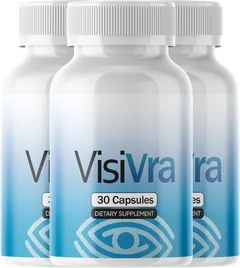
Mediterranean-style eating, which is rich in vegetables, fish, olive oil, nuts and legumes, has been associated in observational research with lower risk of advanced AMD. It naturally provides most eye nutrients in one pattern. If you follow it and still want extra assurance, a targeted formula such as Visivra can top up carotenoids.
Eye-healthy eating on a budget
Healthy eating for your eyes does not have to be expensive. Frozen spinach, kale and mixed vegetables are affordable and nutritious. Canned sardines, salmon and mackerel provide omega-3s at a fraction of the cost of fresh fish. Eggs are one of the cheapest sources of high-quality protein and well-absorbed lutein. Dried beans and lentils supply zinc and fibre. Seasonal fruits such as oranges in winter and berries in summer are often on sale. Buying store brands and planning meals around what you already have reduces waste. Small, consistent changes matter more than an occasional expensive superfood.
Foods for specific eye concerns
Different foods support different aspects of eye health. For macular health, focus on leafy greens, eggs, corn and orange peppers for lutein and zeaxanthin. For dry eyes, oily fish, flaxseed and walnuts provide omega-3 fats, and plenty of water helps. For night vision, eggs, dairy, sweet potatoes and carrots provide vitamin A and beta-carotene. For overall antioxidant support, berries, citrus fruits, nuts and seeds supply vitamins C and E. For blood sugar control, which protects against diabetic retinopathy, choose wholegrains, legumes and vegetables over refined carbohydrates. A varied diet covers all of these at once.
Combining diet with supplements wisely
Supplements work best as a complement to a good diet rather than a replacement. If you eat many of the foods listed here every day, you may not need an eye supplement at all. If your diet is limited, your appetite is low or you simply struggle to eat greens regularly, a supplement can help fill the gap. Choose one with clearly listed amounts, take it with a meal, and keep eating eye-friendly foods. Tell your doctor about any supplements you take. For a combined lutein, zeaxanthin and astaxanthin option, see Visivra.
Eye nutrition for vegetarians
Vegetarians can easily get lutein and zeaxanthin from greens, corn and peppers, and from eggs if they include them. Zinc needs extra attention because plant sources are less well absorbed, so include legumes, seeds and nuts daily.
When diet falls short
If you rarely eat greens, a supplement can help. See lutein dosage per day and the Visivra formula.
Frequently Asked Questions
Are carrots the best food for eyes?
They provide beta-carotene, but leafy greens supply more lutein.
Does fish oil help dry eyes?
Results are mixed; some people find relief.
How many servings of greens per week?
Aim for several servings; daily is ideal.
Is coffee bad for your eyes?
Moderate coffee isn't linked to eye harm for most people; stay hydrated if you have dry eyes.
Are frozen vegetables as good as fresh?
Yes. Frozen greens keep most of their carotenoids.
Sources
- National Eye Institute: Keep Your Eyes Healthy
- NIH Office of Dietary Supplements: Vitamin C Fact Sheet
- NIH Office of Dietary Supplements: Vitamin E Fact Sheet
- NIH Office of Dietary Supplements: Omega-3 Fatty Acids
- MedlinePlus: Lutein
This article is for general education and is not medical advice. Back to the Visivra official guide or see current Visivra pricing.