Best Eye Vitamins for Macular Health: A Buyer's Guide
The core nutrients
- Lutein 10 mg and zeaxanthin 2 mg
- Zinc (with copper at high doses)
- Vitamin C and vitamin E
These come from the AREDS2 research.
Helpful extras
Astaxanthin for screen fatigue, bilberry for antioxidants and vitamin A for low-light vision. See carotenoids explained.
Label checklist
- Named ingredients with amounts
- Third-party or GMP quality claims
- Clear serving size
- Reachable customer support and refund policy
The NIH ODS consumer guide explains more.
Vitamin C and vitamin E
Vitamin C is highly concentrated in the fluid of the eye and helps regenerate other antioxidants, including vitamin E (NIH ODS). Vitamin E protects fatty cell membranes in the retina from oxidation (NIH ODS). Both were part of the AREDS formula at high doses: 500 mg vitamin C and 400 IU vitamin E. For everyday support, citrus fruit, berries, peppers, nuts and seeds supply good amounts. High-dose vitamin E may interact with blood thinners, so check with your doctor.
Omega-3 fatty acids
DHA is a major structural fat in photoreceptor membranes. Eating fish regularly has been linked in observational studies to lower AMD risk, but the AREDS2 trial found that omega-3 supplements did not slow AMD progression (NEI). Omega-3s may still benefit heart health and some people's dry eyes. Fish twice a week is a reasonable food-first approach (NIH ODS).
Red flags on eye vitamin labels
- Claims to 'reverse' macular degeneration or 'restore 20/20 vision'
- 'Proprietary blends' that hide amounts
- No serving size or no 'other ingredients' list
- No contact details or refund policy
- Prices that only appear after you enter card details
The NCCIH advises extra caution with products that promise dramatic results.
Building your own eye-nutrition plan
- Start with diet: greens, eggs, fish, fruit, nuts.
- Have a dilated eye exam to find out if you have early signs of AMD.
- If you have intermediate AMD, follow your doctor's AREDS2 advice.
- If not, consider a general formula with lutein and zeaxanthin.
- Reassess every year.
Read Visivra vs AREDS2 formulas for help choosing.
Tablets, softgels or capsules?
Eye vitamins come in several forms. Softgels often contain carotenoids suspended in oil, which can help absorption. Capsules can hold powders or oils and are usually easy to swallow. Tablets can contain more ingredients in one pill but may be large and harder to swallow for some people. Gummies are popular but often contain lower doses, added sugar and fewer ingredients. Whichever form you choose, taking it with a meal containing fat improves absorption of fat-soluble nutrients. The best form is the one you will take consistently every day.
How long before reassessing
Most eye vitamins should be taken for at least three months before you decide whether they suit you, and macular pigment changes in research are usually measured over six months or more. For people with AMD taking an AREDS2 formula, the goal is long-term risk reduction, which may not be noticeable day to day. Your eye doctor will monitor your eyes at regular checkups. For general support formulas, reassess comfort, glare and fatigue after two to three months. Our guide to how long eye supplements take to work explains what to expect at each stage.
Final checklist for choosing an eye vitamin
Before you buy, check that the product: lists lutein and zeaxanthin amounts close to research doses; shows all ingredients with amounts instead of a proprietary blend; is made under GMP standards; provides a clear expiry date; offers reachable customer support and a refund policy; and does not make disease-cure claims. Then confirm with your doctor that it fits your health situation and medications. Following this checklist helps you avoid overpaying for poor products and focuses your money on nutrients with the best evidence. Compare options in Visivra vs basic lutein supplements.
Eye vitamins and diet together
Eye vitamins are most effective when combined with a healthy diet rather than used as a replacement for one. Whole foods provide fibre, a range of phytonutrients and healthy fats that help absorb fat-soluble nutrients. Use supplements to fill specific gaps, such as low lutein intake, and continue eating leafy greens, colourful vegetables, eggs and fish. See foods for eye health.
Where Visivra fits
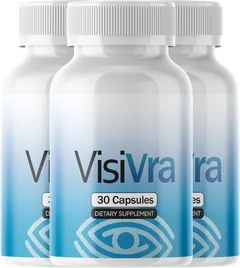
Visivra is a broad everyday formula. People with diagnosed AMD should follow their doctor's AREDS2 advice; see Visivra vs AREDS2.
Frequently Asked Questions
Do I need eye vitamins if I eat well?
Maybe not; diet comes first.
Are gummies as good as capsules?
Gummies often contain lower doses and added sugar.
Can eye vitamins prevent AMD?
Evidence supports slowing progression in intermediate AMD, not prevention in healthy eyes.
Are eye vitamins covered by insurance?
Usually not, though some flexible spending accounts may allow them with a doctor's recommendation.
Should I take eye vitamins if AMD runs in my family?
Discuss it with your eye doctor, who can check for early signs.
Sources
- National Eye Institute: Age-Related Eye Disease Studies (AREDS/AREDS2)
- National Eye Institute: Age-Related Macular Degeneration
- NIH Office of Dietary Supplements: Dietary Supplements (Consumer)
- NIH Office of Dietary Supplements: Vitamin C Fact Sheet
- NIH Office of Dietary Supplements: Vitamin E Fact Sheet
This article is for general education and is not medical advice. Back to the Visivra official guide or see current Visivra pricing.