Carotenoids for Eyes Explained: Lutein to Astaxanthin
The eye-relevant carotenoids
- Lutein: main macular pigment
- Zeaxanthin: concentrated at the fovea
- Meso-zeaxanthin: made in the eye from lutein
- Astaxanthin: marine antioxidant
- Beta-carotene: converted to vitamin A
Why your body needs food sources
Humans cannot make carotenoids. They come from colourful vegetables, eggs and seafood (MedlinePlus). See foods for eye health.
Beta-carotene caution
The original AREDS formula used beta-carotene, but it raised lung cancer risk in smokers, so AREDS2 replaced it with lutein and zeaxanthin (NEI).
How carotenoids are absorbed
Carotenoids are fat-soluble, so they dissolve into the fat droplets formed during digestion. Bile helps package them into tiny micelles that intestinal cells can absorb. From there they enter the bloodstream inside lipoproteins and are delivered to tissues, including the retina and skin. Eating carotenoid foods with olive oil, avocado, nuts or eggs can raise absorption several-fold compared with eating them fat-free (MedlinePlus).
Xanthophylls vs carotenes
Carotenoids fall into two families:
- Carotenes (beta-carotene, alpha-carotene, lycopene) contain only carbon and hydrogen. Some convert to vitamin A.
- Xanthophylls (lutein, zeaxanthin, astaxanthin) contain oxygen. They don't convert to vitamin A and are the main carotenoids in the eye.
This distinction explains why carrots, rich in carotenes, are less important for the macula than kale, rich in xanthophylls.
Food colours as a guide
- Dark green: lutein (kale, spinach, broccoli). The green chlorophyll masks the yellow pigment.
- Yellow-orange: zeaxanthin and beta-carotene (peppers, corn, squash)
- Red: lycopene (tomatoes, watermelon) and astaxanthin (salmon, shrimp)
Eating a range of colours gives you a broad mix of carotenoids. See foods for eye health.
Supplement forms and stability
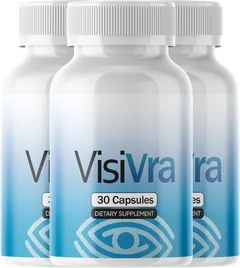
Carotenoids degrade with heat, light and oxygen. Quality supplements use opaque bottles, protective capsule materials and sometimes added antioxidants to protect them. Store your supplements somewhere cool and dark, close the lid tightly, and use them before the expiry date. Combined formulas such as Visivra package several carotenoids together.
Carotenoids in nature
There are more than 600 known carotenoids in nature, but only about 40 are commonly found in the human diet, and around 20 appear in human blood and tissues. Plants and algae use them to capture light for photosynthesis and to protect themselves from light damage, which is essentially the same protective role they play in the human eye. Animals cannot make carotenoids, so they must eat them. Flamingos are pink because they eat algae and shrimp rich in astaxanthin, and egg yolks are yellow because hens eat carotenoid-containing feed. This natural light-protection role is why carotenoids became a focus of eye research.
How much carotenoid do you need?
There are no official daily requirements for lutein, zeaxanthin or astaxanthin, because they are not considered essential nutrients in the same way as vitamins. Beta-carotene is counted toward vitamin A needs. Research and diet surveys suggest that eating at least five servings of fruits and vegetables a day, including dark leafy greens and orange produce, provides a healthy carotenoid intake. Supplement doses used in eye research are typically 10 mg lutein, 2 mg zeaxanthin and 6 to 12 mg astaxanthin. These are reasonable reference points when reading labels, though more is not necessarily better.
Putting carotenoid knowledge into practice
Understanding carotenoids makes everyday food choices easier. Fill half your plate with vegetables of different colours, include something green at most meals, cook vegetables with a little olive oil to boost absorption, and eat eggs or fish a few times a week. If your diet falls short, choose a supplement with clearly listed carotenoid amounts. Do not take high-dose beta-carotene if you smoke. Take carotenoid supplements with a meal containing fat. These simple steps support the eye's natural defence system. For product-specific information, see the Visivra ingredient guide.
Carotenoids and cooking
How you prepare food affects how many carotenoids you absorb. Light cooking breaks down plant cell walls, releasing carotenoids, and adding a little oil helps carry them into your body. For example, lightly sautéed spinach or kale in olive oil provides more absorbable lutein than the same amount eaten raw without dressing. Tomatoes cooked into sauce release more lycopene. However, very long cooking at high temperatures can destroy some carotenoids. Steaming, sautéing and roasting for moderate times are good options. Chopping and blending, as in soups and smoothies, also improve availability. Combining cooked and raw vegetables throughout the week gives you a good balance of carotenoids and other nutrients. See foods for eye health and MedlinePlus for more.
Putting it together
A formula like Visivra combines lutein, zeaxanthin and astaxanthin. Read astaxanthin for eye strain for more.
Frequently Asked Questions
Are carotenoids antioxidants?
Yes, most carotenoids neutralise free radicals.
Do carotenoids stain skin?
Very high intakes can tint skin yellow-orange harmlessly.
Which carotenoid is best for eyes?
Lutein and zeaxanthin have the strongest evidence.
Are carotenoid supplements better than food?
Food comes first. Supplements help when diet falls short.
Do carotenoids interact with each other?
Very high doses of one carotenoid may slightly reduce absorption of another; balanced formulas avoid extreme ratios.
Sources
- MedlinePlus: Lutein
- National Eye Institute: Age-Related Eye Disease Studies (AREDS/AREDS2)
- PubMed: Astaxanthin and eye fatigue research
This article is for general education and is not medical advice. Back to the Visivra official guide or see current Visivra pricing.