Astaxanthin for Eye Strain: Benefits, Dose and Evidence
What astaxanthin is
Astaxanthin gives salmon, shrimp and flamingos their pink colour. It is one of the most potent carotenoid antioxidants and, unlike beta-carotene, it does not convert to vitamin A.
The eye-strain research
Trials catalogued on PubMed looked at accommodation (the eye's focusing muscle) and subjective fatigue after visual display work. Many showed modest improvements versus placebo, though studies were small and often industry-funded.
Dose and timing
- Studied range: 6 to 12 mg daily
- Take with a meal containing fat
- Allow at least 4 weeks
How astaxanthin might help tired eyes
Researchers have proposed several mechanisms. Astaxanthin may reduce oxidative stress in the ciliary muscle, the tiny muscle that changes lens shape when you focus up close. It may support blood flow in the eye's small vessels and calm inflammatory signalling. These ideas come mostly from lab and animal work, plus small human trials, so they remain hypotheses rather than settled facts.
What trial participants reported
In typical studies, office workers took astaxanthin or placebo for four to eight weeks. Outcomes included 'accommodation amplitude' (how far the eye can shift focus) and questionnaires about tired eyes, blurriness, heaviness and stiff shoulders. Several studies found improvements in some measures versus placebo, while others found no difference. Overall, the evidence is encouraging but not conclusive, as you can see by browsing the PubMed results.
Natural vs synthetic astaxanthin
Supplement astaxanthin is usually extracted from the microalga *Haematococcus pluvialis*, the same source that gives wild salmon its colour. Synthetic astaxanthin, made from petrochemicals, is mainly used in fish feed. Most human eye studies used algae-derived astaxanthin. Like other carotenoids, it should be taken with a meal containing fat.
Astaxanthin vs lutein: which do you need?
They have different jobs. Lutein and zeaxanthin build macular pigment and filter blue light. Astaxanthin doesn't accumulate in the macula the same way; it acts mainly as an antioxidant and has the eye-fatigue research. People with long screen days often choose a formula containing both. See lutein and zeaxanthin benefits.
Who might benefit most
Based on the populations studied, astaxanthin research is most relevant to adults who spend long hours on computers and report symptoms such as tired eyes, blurriness after reading and difficulty shifting focus between near and far. Many trial participants were office workers in their 30s to 50s, an age group where focusing reserve is starting to decline. People who already follow good screen habits and still feel eye fatigue may find it worth trying, ideally within a combined formula or alongside lutein. It is not a treatment for dry eye disease, uncorrected vision problems or eye diseases, so these should be ruled out by an eye exam first.
How long to try astaxanthin
Most eye-fatigue trials ran for four to eight weeks before measuring results, so a fair personal trial should last at least that long. Take it with the same meal every day and track your symptoms on a simple scale. If you notice no difference after two months, it may not be helping you, and you can stop. If you do notice improvement, many people continue long term. As with any supplement, tell your doctor what you are taking, especially if you take blood pressure medication or have a scheduled procedure. Our guide to how long eye supplements take to work explains timelines for other eye nutrients too.
Astaxanthin in food vs supplements
Wild salmon, rainbow trout, shrimp, krill and lobster all contain astaxanthin, which gives them their pink or red colour. Wild sockeye salmon is one of the richest food sources, but a typical serving still provides less than the amounts used in eye-fatigue studies. Farmed salmon contains astaxanthin added to fish feed, often in lower amounts. Eating oily fish twice a week is good for overall health and provides omega-3s as well, but reaching study doses usually requires a supplement. Algae-derived astaxanthin is the form most commonly used in human research.
The bottom line on astaxanthin
Astaxanthin is a promising nutrient for people with screen-related eye fatigue, supported by several small trials but not yet by large definitive studies. It is generally well tolerated and works differently from lutein and zeaxanthin, which makes it a logical addition to an eye formula. Take it with food, give it at least four to eight weeks, and combine it with good screen habits. See Visivra ingredients for a formula that includes it.
Pairing with good habits
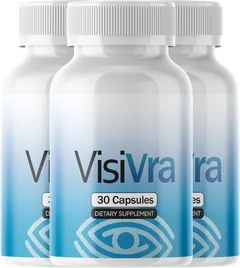
No supplement replaces breaks. Combine astaxanthin with the 20-20-20 rule and digital eye strain relief tips. Visivra includes astaxanthin with lutein and zeaxanthin.
Frequently Asked Questions
Is astaxanthin safe?
It is well tolerated in studies; harmless reddish stool colour is occasionally reported.
Can I get astaxanthin from salmon?
Wild salmon contains some, but far less than study doses.
Does astaxanthin filter blue light?
It is mainly an antioxidant; lutein and zeaxanthin do the filtering.
Can astaxanthin cause side effects?
It's generally well tolerated; occasional reports include stomach upset or reddish stool.
Is astaxanthin safe with blood pressure medication?
Ask your doctor or pharmacist, as with any supplement.
Sources
This article is for general education and is not medical advice. Back to the Visivra official guide or see current Visivra pricing.