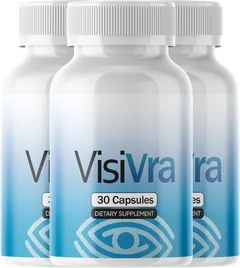
Best Time to Take Eye Vitamins: Morning or at Night?
With a meal
Fat improves carotenoid absorption (MedlinePlus). Eggs, avocado, nuts or olive oil work well.
Morning vs night
Choose the time you'll remember. Breakfast suits routines; dinner suits people who skip breakfast.
Spacing
Zinc can compete with iron and some antibiotics (NIH ODS). Separate by two hours if your doctor agrees.
Best meals to pair with eye vitamins
- Breakfast: eggs, avocado toast, yogurt with nuts
- Lunch: salad with olive oil dressing, tuna sandwich
- Dinner: salmon, chicken with roasted vegetables in oil
A meal with even 5-10 grams of fat meaningfully improves carotenoid absorption (MedlinePlus). A black coffee or plain toast alone is not ideal.
Taking eye vitamins with other supplements
- Multivitamin: fine at the same meal, but check total zinc and vitamin A.
- Iron: take at a different meal from zinc.
- Calcium: high-dose calcium may compete with zinc; separate if possible.
- Fish oil: fine together and adds fat for absorption.
- Fibre supplements: take a couple of hours apart, as fibre may reduce absorption.
Shift workers and irregular schedules
If you work nights or rotating shifts, link your eye vitamin to your main meal of the day, whenever that is. Consistency relative to your routine matters more than clock time. Keep a bottle at work and at home, or use a weekly pill organiser so you can see at a glance whether you've taken it.
Travel tips
Pack enough capsules for the whole trip plus a few extra. Keep them in your carry-on in the original labelled bottle. Across time zones, take your dose with the first main meal in your new location. Heat can degrade supplements, so don't leave them in a hot car. See how to take Visivra for product-specific tips.
Common timing mistakes
The most common mistake is taking eye vitamins with only coffee or on an empty stomach first thing in the morning. Without dietary fat, carotenoid absorption is much lower. Another mistake is taking zinc-containing supplements at the same time as iron or certain antibiotics, which reduces absorption. Some people take supplements irregularly, which slows the gradual build-up of nutrients in the eye. Choosing a consistent meal with healthy fats and separating interacting supplements solves these problems.
Timing for people with digestive sensitivity
Some people experience mild nausea or stomach discomfort when taking supplements, particularly those containing zinc. Taking your eye vitamin in the middle of a meal, rather than before eating, usually helps. If discomfort continues, try taking it with your largest meal of the day. Avoid lying down immediately after taking capsules. If symptoms persist, speak with your doctor or pharmacist, who may suggest a different form or timing. Stomach sensitivity is usually manageable and rarely a reason to stop.
Simple habit-building strategies
Linking your eye vitamin to an existing habit makes it easier to remember. Keep the bottle next to where you eat breakfast or dinner, use a weekly pill organiser, set a daily phone reminder or pair it with another routine, such as making coffee. Tracking your intake on a calendar for the first month helps reinforce the habit. Once it becomes automatic, consistency improves dramatically, which helps you get the most from your supplement. See how to take Visivra.
Does the body clock affect absorption?
Researchers have studied whether the time of day changes how nutrients are absorbed, and for most vitamins and carotenoids the effect appears small compared with the effect of food. Digestion slows somewhat during sleep, so very late-night doses taken without food are probably less efficient. For fat-soluble nutrients, the presence of fat in the same meal is by far the biggest factor, followed by consistency from day to day. If you take medication at specific times, fit your eye vitamin around that schedule rather than the other way round. Once you have chosen a time, stick to it. Your body will build up nutrient levels steadily, and remembering becomes automatic. For more background on how carotenoids are absorbed and stored, see carotenoids explained. If you have digestive conditions that affect fat absorption, such as celiac disease or a history of gallbladder removal, ask your doctor whether you need a different approach.
Quick summary
Take your eye vitamin once a day with a meal that contains some healthy fat, at a time you can repeat every day. Keep zinc away from iron and certain antibiotics, and judge results after two to three months of consistent use.
Consistency tips
Keep bottles visible, use reminders, and see how to take Visivra.
Frequently Asked Questions
Can I take eye vitamins with coffee?
Yes, but food with fat is the key factor.
Should I split the dose?
One capsule daily is standard; follow the label.
Can I take them before bed?
Yes, if taken with an evening meal.
Does taking eye vitamins at night help the eyes rest?
Timing doesn't change how they work; take them with a meal.
Can I take eye vitamins with tea?
Yes, but take them with food. Tea alone won't help absorption.
Sources
This article is for general education and is not medical advice. Back to the Visivra official guide or see current Visivra pricing.