Night Driving Vision Tips: See Better After Dark Safely
Why night vision declines
With age, the lens yellows and the pupil shrinks, letting in less light. Early cataracts scatter light and increase glare.
Practical tips
- Clean windshield inside and out
- Aim headlights correctly
- Dim dashboard lights
- Look toward the right edge of the road when cars approach
- Avoid tinted 'night driving' glasses
- Ask about anti-reflective coatings
Nutrition
Vitamin A is essential for rhodopsin (guide). Higher macular pigment is linked to faster glare recovery (PubMed). Read glare sensitivity.
Why headlights seem brighter than ever
Modern LED and HID headlights are brighter and bluer than older halogen lamps. Many drivers notice more glare as a result. Eyes with early lens clouding, dry eye or smudged glasses scatter this light more, creating halos and starbursts. Higher macular pigment is associated with faster recovery after bright light, which is one reason people with glare issues look into carotenoids (PubMed).
Car checklist before night trips
- Clean the windshield inside and out (inner film causes much of the glare)
- Replace worn wiper blades
- Check that headlights are aimed correctly and lenses aren't yellowed
- Dim the dashboard and infotainment screens
- Adjust mirrors to the night setting
- Keep a microfibre cloth for glasses in the car
Glasses and night driving
If you need glasses for distance, wear them at night even if you skip them during the day, because pupils dilate in the dark and small errors matter more. Anti-reflective coatings reduce reflections from headlights and dashboard lights. Avoid yellow-tinted 'night driving' glasses. They reduce total light and can make vision worse. Ask your eye doctor whether your prescription is optimised for night driving.
When to stop driving at night
Consider limiting night driving if you frequently miss road signs, struggle to see pedestrians, feel anxious after dark or have been told you have significant cataracts. Cataract surgery often dramatically improves night vision. Review your age-related vision changes with your doctor.
Driving in rain and fog at night
Bad weather makes night driving more difficult because water droplets scatter light and reduce contrast. Slow down and increase following distance. Use low-beam headlights in fog, because high beams reflect back and worsen glare. Make sure wipers and defrosters are working well, and use your car's air conditioning to clear condensation. Focus on the road edge markings to stay in lane. If visibility becomes very poor, find a safe place to stop and wait. Drivers with reduced contrast sensitivity should be especially cautious and may prefer to avoid these conditions entirely.
Fatigue and night driving
Tired eyes and a tired brain both reduce night driving safety. Fatigue slows reaction times and makes it harder to recover from headlight glare. Avoid driving at night after a long day of screen work if possible, take breaks every two hours on long journeys and never drive if you feel drowsy. Keep the car cool and well ventilated. If you notice that your eyes feel particularly strained after night driving, an eye exam can check whether a prescription update or anti-reflective lenses could help.
Long-term support for night vision
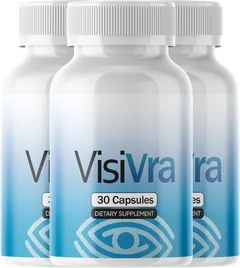
Good night vision depends on the whole visual system: a clear lens, a healthy retina, adequate vitamin A and a well-functioning focusing system. Protect it over time by wearing sunglasses during the day to reduce lens damage from UV light, not smoking, managing blood sugar and blood pressure, and eating a diet rich in vitamin A, lutein and zeaxanthin. Regular eye exams detect cataracts early, when surgery can restore much of the lost clarity. A balanced eye supplement such as Visivra can complement these habits.
Night driving and new glasses
If you get new glasses and notice that night driving feels different, give yourself time to adapt, usually a few days to two weeks. Progressive lenses in particular require you to learn where to look through the lens for distance, intermediate and near vision. If halos, distortion or difficulty seeing at night continue after the adjustment period, return to your optometrist to check the prescription and lens fit. Anti-reflective coatings are worth asking about for anyone who drives at night. Keep a spare pair of glasses in the car in case your main pair is damaged or lost. See glare sensitivity for more about reducing glare, and the National Eye Institute for information on refractive errors.
When to get checked
If night driving suddenly gets worse, book an exam to rule out cataracts or other conditions (NEI).
Frequently Asked Questions
Do yellow night-driving glasses work?
They reduce overall light and are not recommended.
Can supplements fix night blindness?
Only if it is due to deficiency; see a doctor.
Does bilberry help night driving?
Evidence is weak; see our bilberry article.
Why do I see halos around lights at night?
Dry eye, cataracts and certain refractive errors are common causes; see an eye doctor.
Do pupils get smaller with age?
Yes. Smaller pupils let in less light, making night vision harder.
Sources
- National Eye Institute: Cataracts
- National Eye Institute: Get a Dilated Eye Exam
- PubMed: Lutein, zeaxanthin and macular pigment optical density
- NIH Office of Dietary Supplements: Vitamin A Fact Sheet
This article is for general education and is not medical advice. Back to the Visivra official guide or see current Visivra pricing.