Blue Light and Your Eyes: Facts vs Myths for Screen Users
Where blue light comes from
The sun is by far the largest source. Screens, LEDs and fluorescent lights emit much smaller amounts.
The myth of screen damage
Eye care organisations say the discomfort people feel is digital eye strain, not retinal injury. Fewer blinks lead to dryness, and constant near focus tires the eye muscles (NEI: Dry Eye).
Your natural filter
Macular pigment absorbs blue wavelengths before they reach photoreceptors (MedlinePlus). Read macular pigment density.
How much blue light do screens emit?
Phones, tablets and monitors emit visible blue light, mostly in the 450-470 nanometre range. The amount is far lower than outdoor daylight. A few minutes in the sun on a cloudy day exposes you to more blue light than hours of screen use. That is why eye-health researchers focus more on sunlight exposure and on screen habits such as blinking and focusing than on the light itself.
Blue light and sleep
Blue light is a strong signal to the body's internal clock. Exposure in the evening suppresses melatonin, the hormone that prepares you for sleep. That can make it harder to fall asleep and reduce sleep quality (MedlinePlus). Poor sleep then leaves eyes drier and more tired the next day, a cycle covered in sleep and eye health. Night mode, dimmer screens and a screen-free hour before bed all help.
Do children need more protection?
Children's lenses are clearer than adults', so more light, including blue and UV, reaches the retina. The main practical advice is to make sure children wear sunglasses and hats outdoors, take regular screen breaks and spend time playing outside. Outdoor time is also linked to lower rates of nearsightedness. Children should get carotenoids from food rather than adult supplements.
Blue light protection: what works and what doesn't
- Works: sunglasses outdoors, night mode for sleep, screen breaks, good diet
- May help some people: anti-reflective lens coatings for glare
- Weak evidence: blue-light-blocking glasses for eye strain
- Unproven: claims that screen light causes macular degeneration
For nutrition support of the macula's natural filter, see lutein and zeaxanthin benefits.
Blue light glasses: what the research found
Blue-light-filtering glasses became popular as screen use grew, but controlled studies have generally not found that they reduce digital eye strain much compared with ordinary lenses. Eye strain is mainly caused by reduced blinking, focusing at a fixed distance and poor screen setup, none of which a tinted lens solves. Some people still like the warmer colour tone in the evening, and that is a matter of personal preference. If you already wear glasses, an anti-reflective coating may do more for comfort by reducing glare. Before buying special glasses, make sure your basic prescription is up to date, since an outdated prescription is a far more common cause of screen discomfort.
Sunlight: the bigger exposure
Outdoor daylight contains far more blue and ultraviolet light than any screen. Long-term sun exposure has been linked to cataracts and growths on the surface of the eye, and possibly to retinal stress. Wearing sunglasses that block 100 percent of UVA and UVB rays, together with a brimmed hat, is one of the most effective ways to protect your eyes outdoors. Children need this protection too, because their lenses let more light reach the retina. Lutein and zeaxanthin provide an internal filter for blue light that complements sunglasses. See lutein and zeaxanthin benefits.
A balanced approach to blue light
Rather than worrying about screens damaging your eyes, focus on the issues that matter: comfort during the day and sleep at night. During the day, use good lighting, take breaks and blink often. In the evening, reduce screen brightness and switch to warmer display settings to protect sleep. Outdoors, wear UV-blocking sunglasses. Support your macula's natural filter with a diet rich in leafy greens and eggs, or a supplement if your intake is low. These steps address the real effects of light exposure without unnecessary products or anxiety. Our remote workers guide puts this into a daily plan.
Should you worry about blue light?
For most people, the answer is no, as long as you take breaks, protect your sleep and wear sunglasses outdoors. Eye discomfort from screens is real but temporary and preventable.
Practical protection
- Use night mode in the evening
- Wear sunglasses outdoors
- Follow the 20-20-20 rule
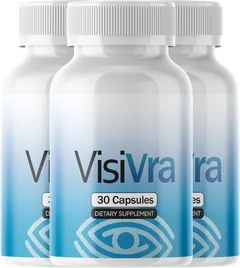
- Support macular pigment with diet or a formula like Visivra
Frequently Asked Questions
Do blue-light glasses work?
Studies have not shown that they reduce eye strain much; breaks help more.
Does blue light affect sleep?
Evening exposure can delay melatonin release.
Is sunlight worse than screens?
Yes, sunlight contains far more blue light.
Is blue light from LEDs harmful at home?
Normal household LED lighting isn't considered harmful to the eyes.
Does dark mode reduce blue light?
It reduces overall brightness, which may feel more comfortable in dim rooms.
Sources
This article is for general education and is not medical advice. Back to the Visivra official guide or see current Visivra pricing.