Tired Eyes Remedies: 10 Natural Ways to Refresh Them
10 remedies
- Cool compress for 5 minutes
- Close your eyes and breathe slowly
- Drink water
- 20-20-20 breaks
- Fix lighting to reduce glare
- Increase screen text size
- Blink exercises
- Sleep 7 to 9 hours
- Eat leafy greens and eggs
- Update your glasses prescription
Sleep and eye fatigue
Eyes repair and replenish tear film overnight. Poor sleep leads to dryness and twitching. See sleep and eye health and MedlinePlus on healthy sleep.
Nutrition for tired eyes
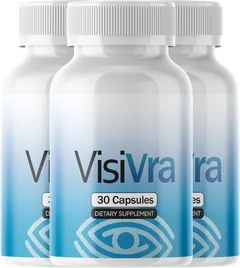
Lutein, zeaxanthin and astaxanthin support visual comfort. Visivra combines them. Read astaxanthin for eye strain.
Common causes of tired eyes
- Screen use: reduced blinking and constant near focus
- Uncorrected vision: an outdated prescription makes eyes work harder
- Dry air: heating, air-conditioning and fans
- Lack of sleep
- Allergies: itchy, puffy eyes
- Dehydration
- Long drives, especially at night
Identifying your main trigger lets you choose the most effective remedy.
Quick 5-minute eye refresh
- Close your eyes and take five slow breaths.
- Rub your palms together to warm them and cup them over closed eyes for 30 seconds (palming).
- Open and look at the farthest point you can see for 20 seconds.
- Slowly look up, down, left and right twice.
- Blink slowly ten times.
- Drink a glass of water.
This won't fix the underlying cause, but it is a quick reset during long workdays.
Cold vs warm compresses
- Cold compress: best for puffiness, allergies and a hot, tired feeling. It constricts blood vessels.
- Warm compress: best for gritty, dry eyes from blocked oil glands. It loosens oils.
Use a clean cloth each time and don't place ice directly on the skin.
Long-term habits that prevent tired eyes
Prevention beats quick fixes. Keep a regular sleep schedule, follow the 20-20-20 rule, update your glasses as needed and eat a diet rich in carotenoids. Some people add a supplement such as Visivra for nutritional support. The NEI's healthy vision tips are a useful checklist.
Tired eyes and caffeine
Many people reach for coffee when their eyes feel tired, but caffeine is a mixed blessing. In moderate amounts it is generally fine for the eyes, and some research suggests it may slightly increase tear production. However, too much caffeine can disturb sleep, which leads to more eye fatigue the next day. Caffeine late in the day is a common cause of eyelid twitching. If your eyes often feel tired, try limiting caffeine after early afternoon, drinking water alongside coffee and focusing on sleep quality. These changes often help more than another cup.
Allergies and tired eyes
Seasonal and indoor allergies are a frequent cause of tired, itchy, watery and puffy eyes. Pollen, dust mites, pet dander and mould can all trigger symptoms. Strategies include keeping windows closed during high pollen periods, washing your face and hands after being outside, using air purifiers, washing bedding regularly and avoiding rubbing your eyes. Cold compresses soothe itching. Antihistamine eye drops can help, but ask a pharmacist which are suitable. If allergies are frequent or severe, a doctor can help identify triggers and recommend treatment.
Building a routine that prevents eye fatigue
The most effective approach combines daily habits rather than a single remedy. Start the day with a meal that includes healthy fats and colourful vegetables. Set up your workspace with good lighting and a properly positioned screen. Take regular distance breaks and blink deliberately. Stay hydrated, step outside during lunch and reduce screen brightness in the evening. Aim for consistent, adequate sleep. Over time, this routine reduces eye fatigue more reliably than quick fixes. Consider adding a nutritional supplement if your diet is low in eye nutrients, such as Visivra.
Tired eyes in the morning vs evening
When your eyes feel tired can point to the cause. Tired, dry or gritty eyes first thing in the morning often suggest poor sleep, dry bedroom air, allergies or eyelids that do not close fully during sleep. Tired eyes that build up during the day and peak in the evening usually point to screen use, reading, an outdated prescription or dry office air. For morning symptoms, try a humidifier, clean bedding to reduce allergens and lubricating drops at bedtime if advised. For evening symptoms, focus on screen breaks, workspace setup and hydration. If symptoms happen all day or are getting worse, an eye exam can check for dry eye disease and other conditions. See sleep and eye health and the NEI dry eye page.
Red flags
Sudden vision loss, eye pain, flashes or a curtain over your vision are emergencies (MedlinePlus).
Frequently Asked Questions
Do cucumber slices help?
They act as a cool compress, which can feel soothing.
Why are my eyes tired in the morning?
Possible causes include poor sleep, dry air or allergies.
Can tired eyes cause headaches?
Yes, eye strain is a common headache trigger.
Can eye drops help tired eyes?
Preservative-free artificial tears can relieve dryness-related fatigue. Avoid frequent use of redness-relief drops.
Why do my eyes feel heavy?
Fatigue, dryness and allergies are common causes; persistent heaviness should be checked.
Sources
- MedlinePlus: Healthy Sleep
- MedlinePlus: Vision Problems
- National Eye Institute: Keep Your Eyes Healthy
This article is for general education and is not medical advice. Back to the Visivra official guide or see current Visivra pricing.